Uncategorised

गणेश चतुर्थी: उत्सव, महत्व और परंपराएँ

परिचय

गणेश चतुर्थी, जिसे विनायक चतुर्थी भी कहा जाता है, हिंदू धर्म का एक प्रमुख त्योहार है जो भगवान गणेश की जयंती के रूप में मनाया जाता है। भगवान गणेश को विघ्नहर्ता और बुद्धि, समृद्धि व सौभाग्य के देवता माना जाता है। यह त्योहार भाद्रपद मास के शुक्ल पक्ष की चतुर्थी तिथि को मनाया जाता है, जो आमतौर पर अगस्त या सितंबर में पड़ता है। भारत में, विशेष रूप से महाराष्ट्र, कर्नाटक, गुजरात, और गोवा में यह उत्सव बड़े उत्साह के साथ मनाया जाता है।

गणेश चतुर्थी का महत्व

गणेश चतुर्थी का धार्मिक और सांस्कृतिक महत्व अत्यंत विशेष है। मान्यता है कि इस दिन भगवान गणेश का जन्म हुआ था, और वे सभी कार्यों में प्रथम पूजनीय हैं। लोग इस दिन नई शुरुआत, जैसे व्यवसाय, शिक्षा, या किसी बड़े कार्य की शुरुआत करने से पहले गणेश जी की पूजा करते हैं। यह त्योहार बाधाओं को दूर करने और जीवन में सुख-समृद्धि लाने की प्रार्थना का प्रतीक है।

उत्सव की परंपराएँ

गणेश चतुर्थी का उत्सव 10 दिनों तक चलता है, जिसे गणेशोत्सव कहा जाता है। इस दौरान कई परंपराएँ निभाई जाती हैं:

1. गणेश प्रतिमा की स्थापना

  • लोग अपने घरों और सार्वजनिक पंडालों में भगवान गणेश की मूर्ति स्थापित करते हैं।
  • मूर्तियाँ मिट्टी, प्लास्टर ऑफ पेरिस, या पर्यावरण-अनुकूल सामग्री से बनाई जाती हैं।
  • स्थापना से पहले मूर्ति को पवित्र किया जाता है और प्राण-प्रतिष्ठा की जाती है।

2. पूजा और आरती

  • प्रतिदिन गणेश जी की पूजा की जाती है, जिसमें फूल, दूर्वा, मोदक, और अन्य प्रसाद चढ़ाए जाते हैं।
  • गणेश आरती, जैसे “सुककर्ता दुखहर्ता” और “जय गणेश, जय गणेश”, भक्ति के साथ गाई जाती हैं।
  • मंत्र जाप, जैसे “ॐ गं गणपतये नमः”, पूजा का हिस्सा होते हैं।

3. मोदक और भोग

  • गणेश जी को मोदक विशेष रूप से प्रिय है। लोग घरों में मोदक, लड्डू, और अन्य मिठाइयाँ बनाते हैं।
  • विभिन्न प्रकार के व्यंजन, जैसे पूरी, खीर, और हलवा, भोग के रूप में चढ़ाए जाते हैं।

4. गणेश विसर्जन

  • उत्सव के अंतिम दिन, जिसे अनंत चतुर्दशी के रूप में जाना जाता है, गणेश मूर्ति का विसर्जन किया जाता है।
  • लोग “गणपति बप्पा मोरया, अगले बरस तू जल्दी आ” के नारे लगाते हुए मूर्ति को नदी, तालाब, या समुद्र में विसर्जित करते हैं।
  • पर्यावरण संरक्षण के लिए आजकल मिट्टी की मूर्तियों और कृत्रिम तालाबों का उपयोग बढ़ रहा है।

सामाजिक और सांस्कृतिक प्रभाव

गणेश चतुर्थी केवल धार्मिक उत्सव ही नहीं, बल्कि सामाजिक एकता का प्रतीक भी है। सार्वजनिक गणेश पंडालों में लोग एक साथ इकट्ठा होते हैं, सांस्कृतिक कार्यक्रम आयोजित किए जाते हैं, और सामुदायिक भावना को बढ़ावा मिलता है। महाराष्ट्र में, लोकमान्य तिलक ने 19वीं सदी में इस त्योहार को स्वतंत्रता संग्राम के दौरान सामाजिक एकता के लिए प्रोत्साहित किया था।

पर्यावरण-अनुकूल गणेशोत्सव

हाल के वर्षों में, पर्यावरण संरक्षण को ध्यान में रखते हुए लोग मिट्टी की मूर्तियों और जैविक रंगों का उपयोग कर रहे हैं। कई संगठन और समुदाय कृत्रिम विसर्जन तालाबों का निर्माण कर रहे हैं ताकि जल प्रदूषण को कम किया जा सके। यह बदलाव गणेश चतुर्थी को और अधिक टिकाऊ और पर्यावरण-अनुकूल बनाता है।

निष्कर्ष

गणेश चतुर्थी एक ऐसा त्योहार है जो भक्ति, उत्साह, और सामुदायिक भावना का अनूठा संगम है। यह न केवल धार्मिक महत्व रखता है, बल्कि लोगों को एकजुट करने और सकारात्मकता फैलाने का भी माध्यम है। भगवान गणेश की कृपा से यह उत्सव हर साल नई ऊर्जा और आशा के साथ मनाया जाता है। पर्यावरण के प्रति जागरूकता के साथ, हम इस पवित्र त्योहार को और भी सार्थक बना सकते हैं।

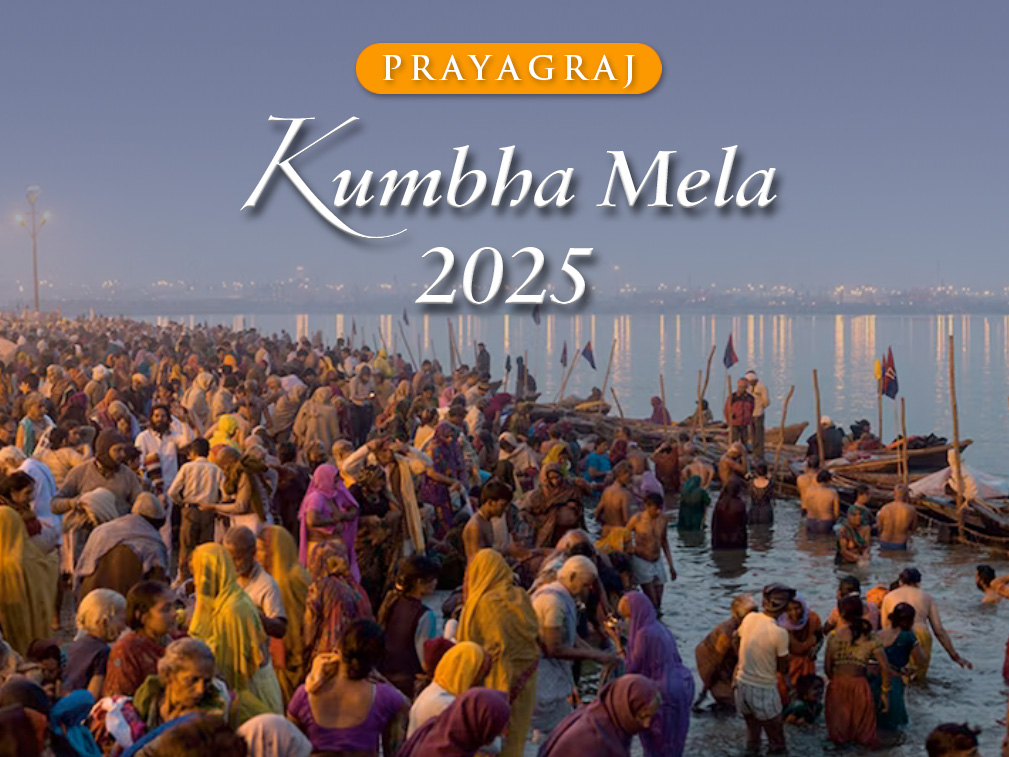
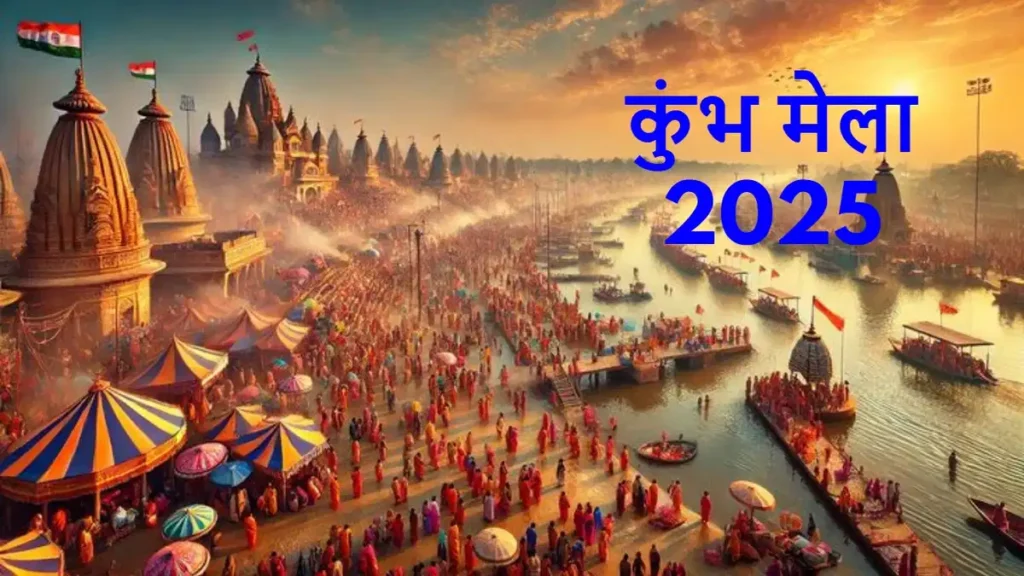
MAHA KUMBH MELA2025

Maha Kumbh: The Largest Spiritual Gathering on   Earth

The Maha Kumbh Mela is not just an event; it is a grand celebration of spirituality, faith, and tradition that transcends the boundaries of time and culture. Held once every 12 years, the Maha Kumbh is a confluence of humanity, where millions gather to experience spiritual awakening and divine blessings.

Historical Significance

The origins of the Kumbh Mela are deeply rooted in Indian mythology. According to ancient scriptures, during the churning of the ocean (Samudra Manthan) by gods and demons, a pot (“kumbh”) of nectar emerged. To protect the nectar from falling into the wrong hands, Lord Vishnu handed it to his divine vehicle, Garuda. During the pursuit, drops of nectar fell at four places—Prayagraj (Allahabad), Haridwar, Ujjain, and Nashik. These sites became the holy grounds for the Kumbh Mela.

What Makes Maha Kumbh Unique?

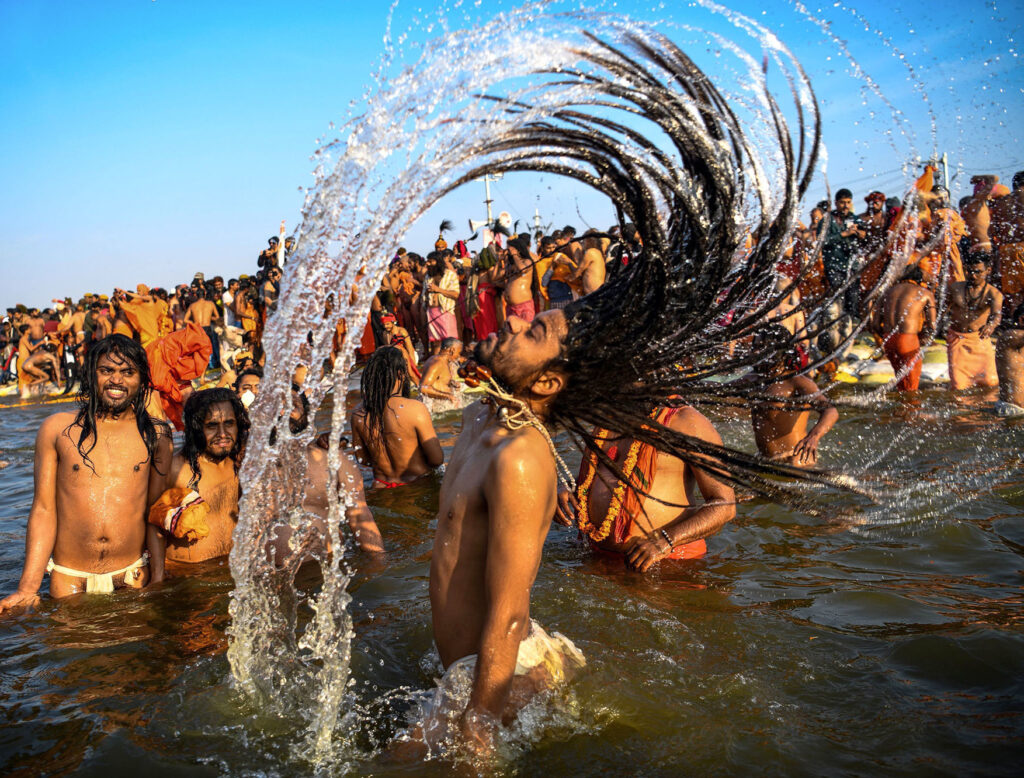
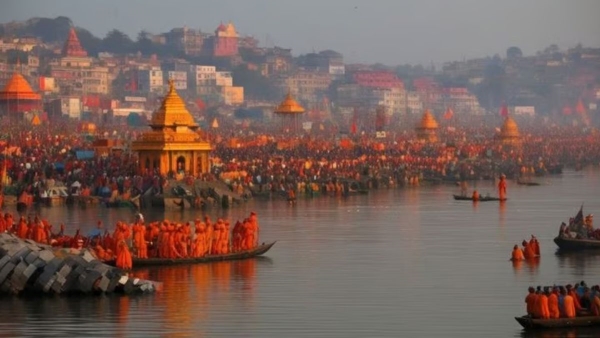
The Maha Kumbh stands out as the grandest among the Kumbh gatherings due to its celestial alignment, which occurs once in 144 years. This extraordinary occurrence makes it a rare spiritual spectacle. Pilgrims, saints, and ascetics from every corner of the country and beyond assemble to take a holy dip in the sacred rivers, believing it purifies their soul and leads them closer to salvation.

The Spiritual Essence

The primary attraction of the Maha Kumbh is the ritual bath in the holy river, which is believed to cleanse sins and bestow liberation. The event also serves as a platform for discourse, where religious leaders and spiritual gurus share knowledge and guide devotees on their spiritual journey. Chanting, prayers, and the resonance of conch shells create an ethereal atmosphere that captivates the senses.

Cultural and Social Impact

The Maha Kumbh is not only a spiritual gathering but also a cultural extravaganza. It showcases the rich diversity of India’s traditions, arts, and cuisines. Various performances, exhibitions, and fairs bring vibrancy to the event, making it a holistic experience for visitors. Additionally, the mela fosters a sense of unity and collective consciousness among millions who converge irrespective of caste, creed, or nationality.

Modern Challenges and Management

Organizing an event of such magnitude comes with significant challenges. From crowd management and security to providing sanitation and healthcare facilities, the logistical efforts are colossal. The Indian government, along with local authorities, employs advanced technologies and extensive planning to ensure the smooth functioning of the mela. Modern innovations like drone surveillance, digital passes, and mobile apps for navigation and emergency assistance have enhanced the safety and convenience of pilgrims.

Conclusion

The Maha Kumbh Mela is more than a religious event; it is a testament to the enduring faith and spiritual resilience of humanity. It represents a harmonious blend of tradition and modernity, uniting millions in their quest for divine grace. For anyone seeking a deeper connection to spirituality and a firsthand experience of India’s profound cultural heritage, attending the Maha Kumbh is an unparalleled journey of the soul. As the world’s largest congregation, it stands as a beacon of hope, faith, and unity for generations to come.

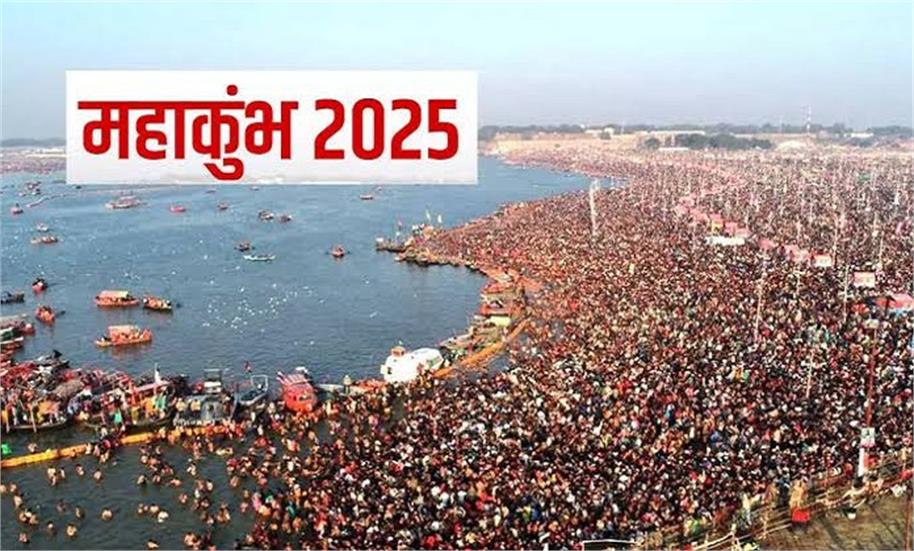
महाकुंभ 2025

महाकुंभ 2025 एक अद्वितीय धार्मिक और सांस्कृतिक आयोजन है, जो 13 जनवरी से 26 फरवरी 2025 तक प्रयागराज में आयोजित हो रहा है। इस महापर्व की विशेषता इसके भव्य आयोजन, आध्यात्मिक महत्व और अत्याधुनिक तकनीकी समावेश में निहित है।

1. खगोलीय संयोग का विशेष महत्व

महाकुंभ 2025 का आयोजन एक विशेष खगोलीय संयोग के तहत हो रहा है, जो प्रत्येक 144 वर्षों में एक बार आता है। इस दुर्लभ संयोग में बृहस्पति, सूर्य और चंद्रमा की विशेष स्थिति होती है, जो इस महाकुंभ को और भी महत्वपूर्ण बनाती है।


2. कलाग्राम: सांस्कृतिक विविधता का उत्सव

इस बार महाकुंभ में ‘कलाग्राम’ की स्थापना की गई है, जो भारत की सांस्कृतिक विविधता और समृद्ध विरासत को प्रदर्शित करता है। यहां लगभग 15,000 प्रख्यात कलाकार विभिन्न कलाओं का प्रदर्शन करेंगे, जिसमें शास्त्रीय नृत्य, लोक संगीत, हस्तशिल्प और पारंपरिक व्यंजनों का समावेश होगा।

3. अत्याधुनिक तकनीक का उपयोग

महाकुंभ 2025 में प्रौद्योगिकी का व्यापक उपयोग किया गया है। भीड़ प्रबंधन के लिए AI-संचालित निगरानी, GPS-सक्षम ब्रेसलेट, ड्रोन निगरानी, स्मार्ट टॉयलेट्स, और वर्चुअल रियलिटी के माध्यम से दूरस्थ श्रद्धालुओं के लिए वर्चुअल दर्शन जैसी सुविधाएं उपलब्ध कराई गई हैं।


4. स्वच्छता और पर्यावरण संरक्षण के प्रयास

स्वच्छता के प्रति जागरूकता बढ़ाने के लिए महाकुंभ 2025 में 15,000 स्वयंसेवक घाटों की सफाई करेंगे, और 300 लोग एक साथ नदी में उतरकर सफाई अभियान चलाएंगे। इसके अतिरिक्त, एक हजार ई-रिक्शों की परेड आयोजित की जाएगी, जो स्वच्छ और हरित महाकुंभ का संदेश देगी।


5. बुनियादी ढांचे का विकास

श्रद्धालुओं की सुविधा के लिए प्रयागराज में 38 मार्गों का सौंदर्यीकरण, 40 चौराहों का पुनर्निर्माण, 316 किलोमीटर सड़कों का नवीनीकरण, और 2842 पोल के साथ 67.5 किलोमीटर रोड पर थीमेटिक लाइटिंग की व्यवस्था की गई है। इसके अलावा, मेला क्षेत्र में 30 अस्थाई गेट बनाए गए हैं, जो महाकुंभ 2025 की भव्यता को प्रदर्शित करते हैं।


महाकुंभ 2025 का यह आयोजन आध्यात्मिकता, संस्कृति और आधुनिकता का एक अद्वितीय संगम है, जो न केवल धार्मिक दृष्टिकोण से महत्वपूर्ण है, बल्कि भारत की समृद्ध सांस्कृतिक धरोहर और तकनीकी प्रगति का प्रतीक भी है।

How to solve probem

  • HOW TO SOLVE  PPROBLEM


Type of Bridge

The most common types of bridges are described below:

  1. Beam Bridge
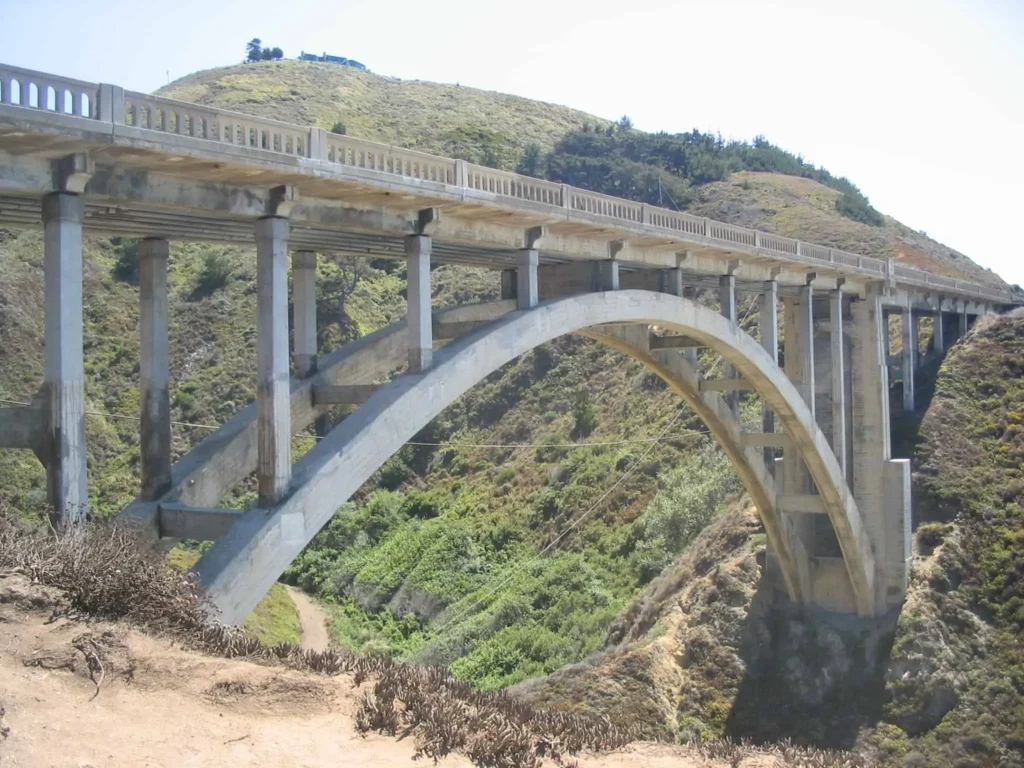
  2. Arch Bridge
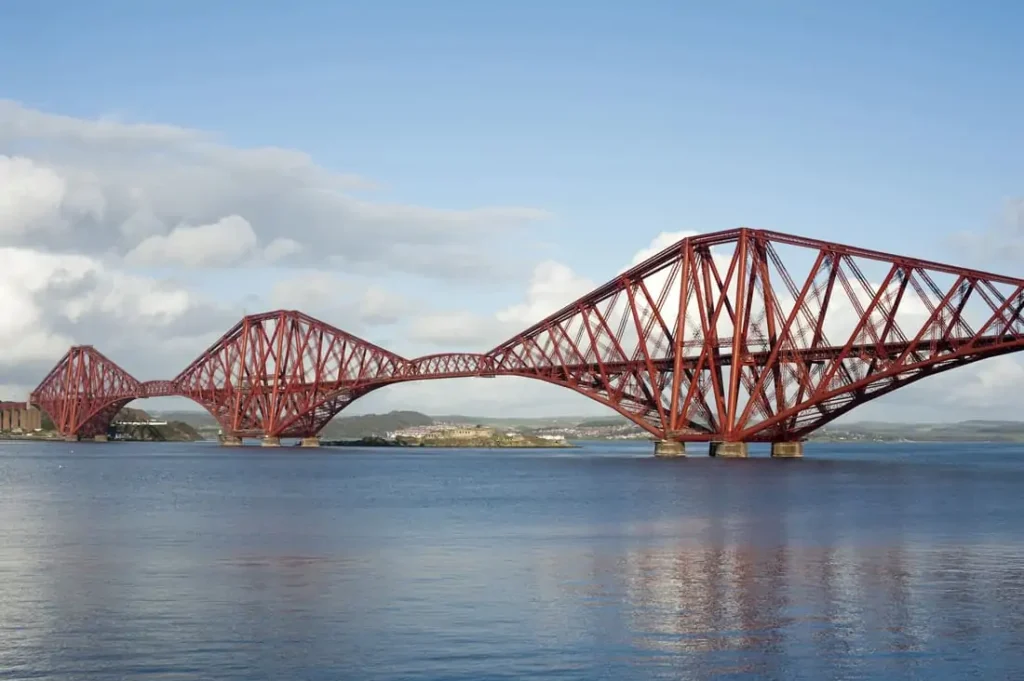
  3. Cantilever Bridge
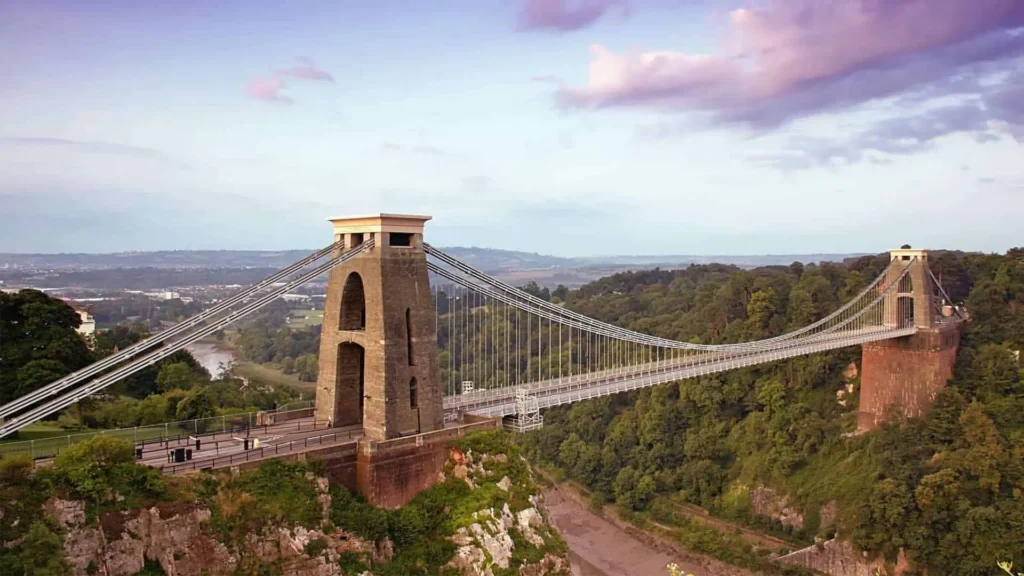
  4. Suspension Bridge
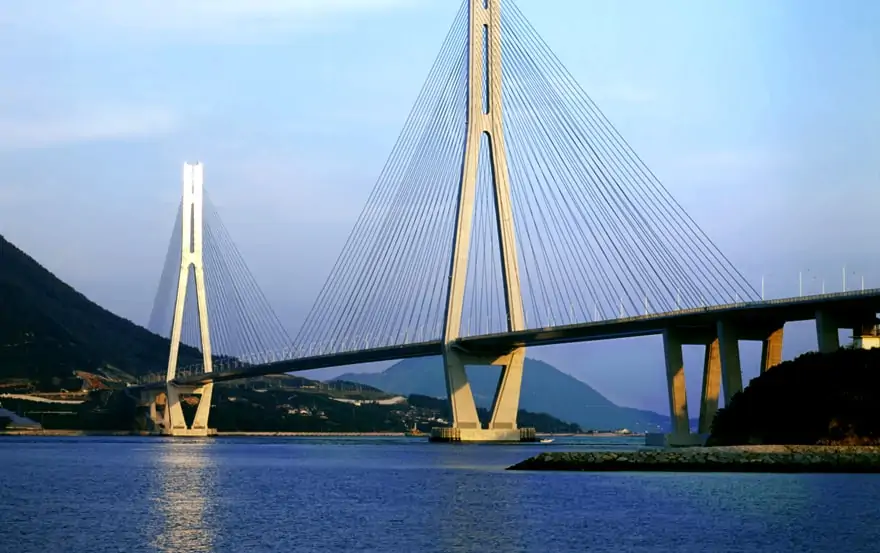
  5. Cable-stayed Bridge
  6. Truss Bridge

Beam Bridge 


Beam bridges are the simplest bridge type normally consisting of one or more spans, supported by pier or abutment at each end. Beam bridges are usually constructed of RCC or steel or a combination of both RCC and Steel.The concrete elements used in beam bridges may be reinforced, prestressed or post-tensioned. Types of beam bridges are girder bridges, box girder bridges, plate girder bridges etc.


ArchBridge 


As the name suggests, the arch bridge consists of a curve-shaped abutment at each end. Generally, the roadway of the bridge lies on the arch structure.

The arch squeezes together and this squeezing force is carried along the curve to support each end.

The abutments then push back on the arch and prevent the arch ends from spreading apart. The span of arch bridges is normally up to 800 feet and is made of stone, steel, or concrete.


cantileverBridge 


The cantilever bridge is constructed using a cantilever span, i.e the span is supported at one end and the other end is opened. Usually, two cantilever parts are joined to make the roadway.


suspensionBridge 

 
 In suspension bridge, the deck slab is suspended using ropes, chains, or high tensile strength steel cables.

The roadway hangs from massive steel cables, which are draped over two towers and secured by anchors on both ends of the bridge.

The anchors are made from solid concrete blocks. The cables transfer the loads into compression in the two towers. usually, this type of bridge can span 2000 – 7000 feet.

Cable-stayedBridge 


Cable-stayed bridges are similar to suspension bridges as they also use cables but in a different form. They consist of fewer cables and the height of the towers is much greater than the suspension bridge 


trussBridge 


The superstructure of the truss bridge is constructed by using trusses which are comprised of many small elements forming triangular trusses. Truss is used because it is a very rigid structure and it can transfer the load from a single point to a much wider area.

 
Scroll to Top